Tall notes · 2026-06-02
Choosing your inches: 2, 2.8 or 3.6
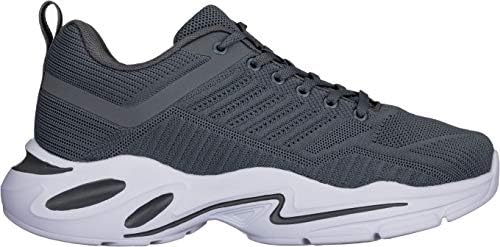
The single biggest decision on this shelf is not colour or leather. It is the number of inches. Our shoes run from 2 to 3.6 inches of gain, and the bands behave differently enough that it is worth slowing down before you pick.
The 2 to 2.4 band: nobody will ever ask
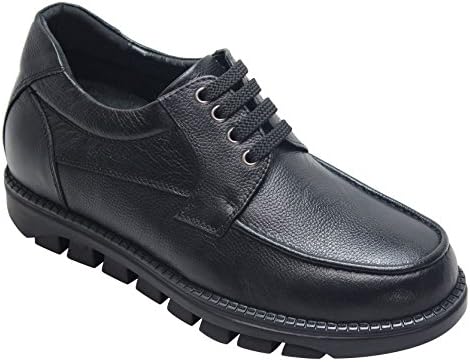
A 2 inch gain is roughly what a chunky trainer or a western heel gives any wearer. It disappears into normal footwear variance. Choose this band if you want a boost you never have to think about, including when you take the shoes off around people who know your height.
The 2.6 to 2.9 band: the middle of our rack
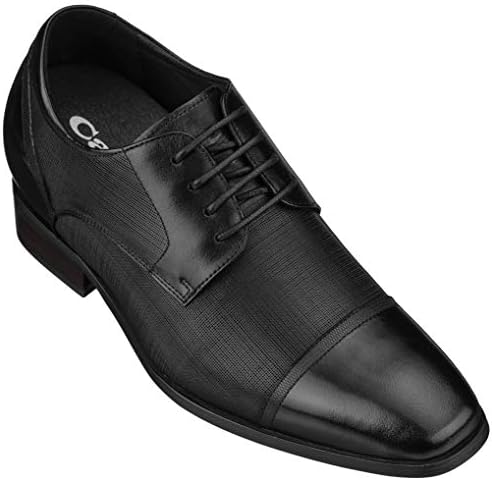
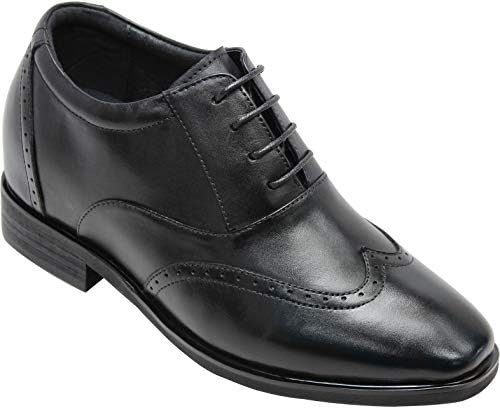
This is where CALTO builds most of its catalogue. The 2.8 inch lift alone spans twenty-five models, more than any other height we make. The reason is simple: it is the tallest stack that still fits inside low and mid-cut silhouettes without pushing the ankle above the collar. You get a visible change in presence while the shoe itself stays ordinary looking.
The 3 inch and up band: maximum build
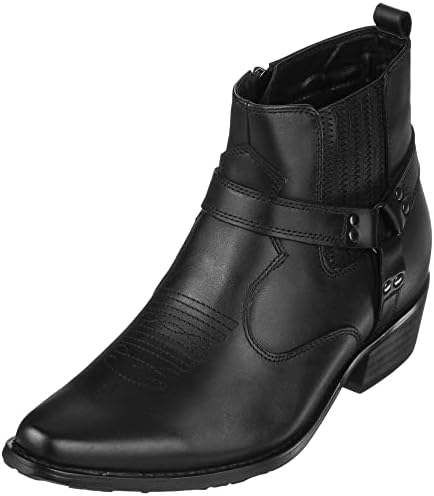
Thirty-three of our listings reach 3 inches or more, topping out at a single 3.6 inch model. These are almost all boots and high-tops, because the interior stack needs shaft height to work. Expect a steeper interior slope and a short adjustment period. The payoff is the largest gain we can engineer into a shoe that still reads as standard from the outside.
Two honest rules of thumb
- If this is your first elevator shoe, start at 2.8. It is our most common build for a reason, and it teaches you how the slope feels before you commit to a taller stack.
- Buy the height you will wear on a normal day, not the tallest number on the page. A 3.4 inch boot you reach past every morning helps less than a 2.6 inch derby you forget you are wearing.
Still undecided? The lift picker sorts the whole rack by inches, so you can see exactly what exists at each height before reading a single product page.