Tall notes · 2026-05-12
How an internal lift stack works
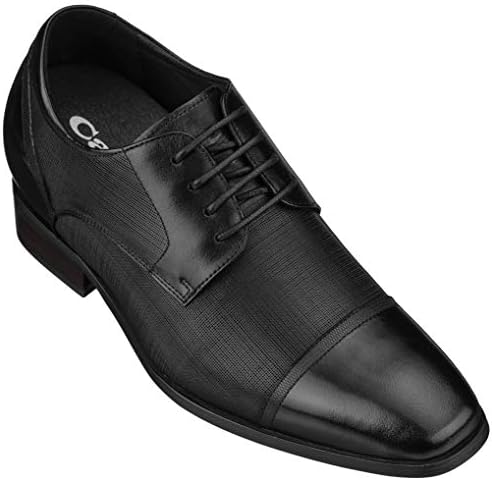
Every CALTO build prints one number on its page: the total height gain in inches. That number is not a single block of material. It is the sum of three parts working together, and knowing how they split helps you read the rest of the spec sheet.
The three layers
The first part is the visible outer heel. On most of our dress shoes it measures around 1 to 1.5 inches, which is normal territory for men’s formal footwear. Nobody reads anything into it.
The second part is the midsole cavity. Between the outsole and the lining we last a wedge of dense material that rises toward the heel. This is the piece that does most of the quiet work, because it lives below the ankle line where no silhouette change shows.
The third part is the layered footbed. It sits inside the shoe like a normal insole, except it is built as a slope. Together the three layers reach the printed figure, whether that is 2.4, 2.8, or the 3.6 inch stack at the top of our rack.
Why the shaft height matters
A taller interior stack needs a taller wall around the ankle, otherwise your heel would ride above the collar. That is why our 3 inch and taller builds lean toward boots and high-top sneakers with shafts of 5 to 8 inches. The shaft holds the heel pocket in place and hides the fact that your foot sits higher than the outside suggests.
What the slope feels like
The interior rise runs as a gradual incline from the ball of the foot back to the heel. On a 2.8 inch build the angle feels close to standing in a western boot. On the first day it reads as unfamiliar rather than uncomfortable, and most wearers stop noticing it within a week of regular wear. Our fit and sizing note covers what reviewers say about that adjustment period.
Reading a CALTO spec block
- Height gain: the full figure, outer heel plus internal stack.
- Heel height: only the visible outer heel. Lower means more discreet.
- Shaft height: from the bottom of the sole to the top of the collar.
- Width: our lasts run standard D medium unless the page says otherwise.
If two builds list the same gain but different heel heights, the one with the lower outer heel is carrying more of its lift inside. That is the pair to pick when discretion is the priority.